Writing about people you know without wronging them

6 min read
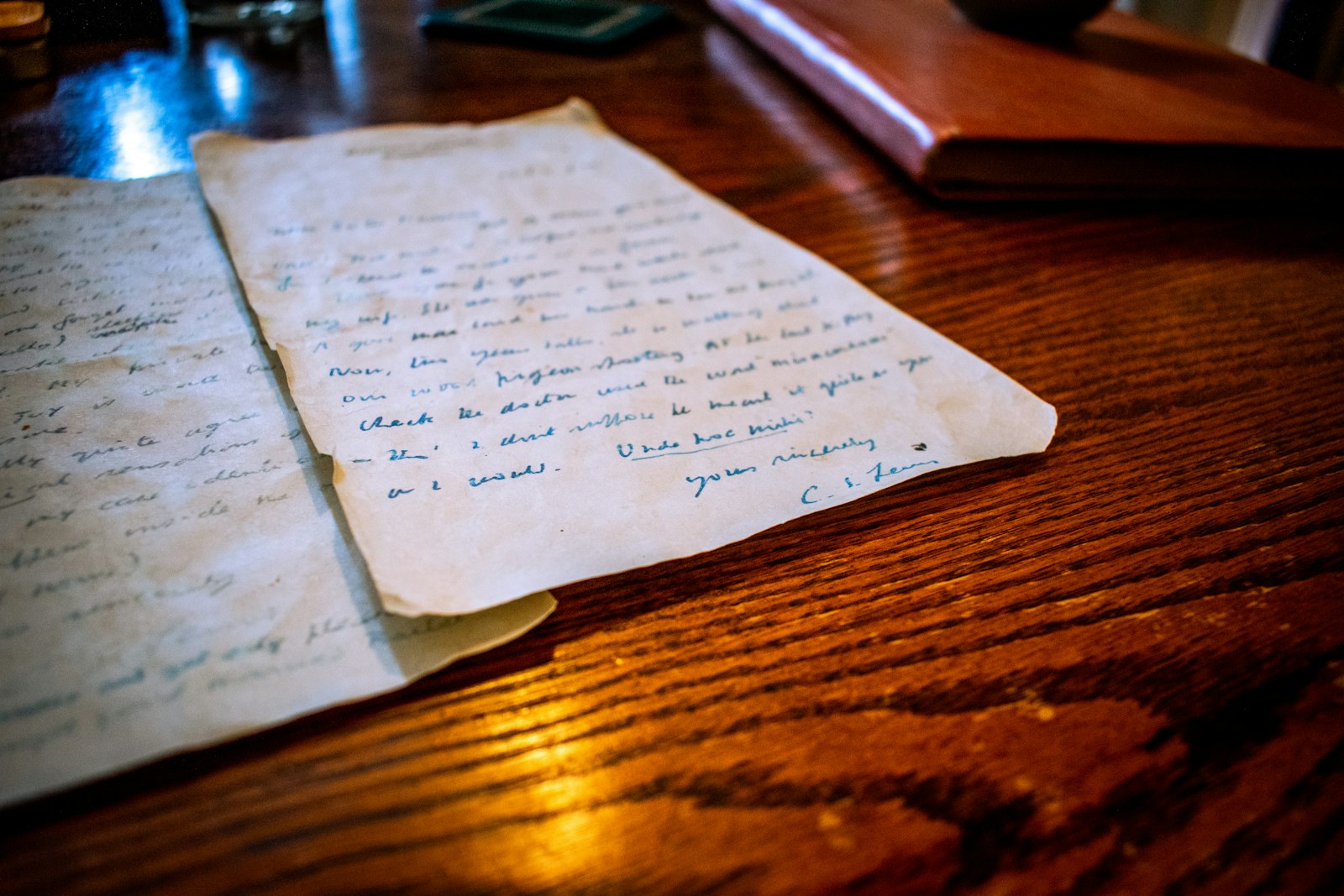
A personal essay has one author and a crowd of people who never signed anything. Your mother is in it, saying the thing she said in the car. So is the friend who stopped calling, and the man you worked under for six years. You choose their words, their lighting and the moment they leave the page. They get no say in any of it, and most of them will never have the chance to answer at the same length, in front of the same readers.
That imbalance is the whole problem, and no rule settles it. In The personal essay: the self as a lens, not a topic we offered a few short habits for writing about others. Here we want to stay longer with the harder questions.
Fair is a different thing from kind
Writers often frame this as a choice between honesty and kindness, as if the only decent move were to soften. Softening can be the less respectful option. A father written as a lovable grump, with the frightening evenings removed, has been edited into someone his own children would not recognise. The portrait is gentle, and it is false.
Fairness asks for something narrower and more demanding. The person on the page should be recognisable both to someone who loves them and to someone they have hurt. You may still be angry. An essay can say plainly that a person behaved badly. What it owes the reader, and that person, is the evidence and the context: what they knew at the time, what they were carrying, what they did on a better day.
Three questions are worth putting to a draft:
- Whose best argument is missing? Write, for your own eyes, the paragraph this person would write about the same events. It rarely goes into the essay, but it tends to change a sentence or two that do.
- Who comes off best? If the answer is you, in every scene, look again. Your own part in things is the easiest detail to lose in revision, and readers feel its absence.
- What did they do that does not fit? One fact that complicates your version is worth three that confirm it. A cruel aunt who once drove four hours to sit in a hospital corridor has become a person.
Permission, and what it can do
Should you ask? We do not think there is one answer, because the word covers very different requests. Telling a friend that you have written about a holiday you shared is a courtesy. Asking your sister whether you may mention her diagnosis is a real question, and a no should probably hold: that fact was hers before it was your material. Asking a former partner who harmed you for leave to say so is another matter again, and many writers would reasonably decide not to ask, sometimes for their own safety.
It helps to separate what happened to you from what belongs to them. Growing up around a parent’s drinking is your experience, and you may write about it. The contents of that parent’s medical file are something else.
If you do decide to show someone a draft, a little procedure protects you both:
- Say what you are offering. “I wanted you to see this before it appears” and “you can stop this” are different sentences. The cruellest position is to imply a veto you have no intention of honouring.
- Send it while changes are still possible. A draft sent the night before publication is an announcement.
- Treat corrections and objections separately. If you have the year of the move wrong, fix it. If they read the move differently, listen, then decide. The interpretation may stay yours, and you may also find you were wrong.
- Expect it to cost something anyway. People can agree in good faith and still feel exposed on the day strangers read it.
What to leave out
Every essay omits most of what happened, a point we took up in Scene and summary: when to slow down, when to skip. Leaving something out for another person’s sake uses the same skill for a different reason. The test is what the detail is doing. If the essay’s question depends on it, it has a claim on the page. If it is merely true, and vivid, and yours to tell at dinner, it may have none.
Suppose, as an example, you are writing about caring for an ailing parent, and your brother rarely visited. That he rarely visited may be central. That his marriage was failing that year, which you know because he told you in confidence, might explain him, and might also be something you cannot use. A sentence can hold both obligations: he had troubles of his own that year, and they are his to tell. Readers tend to respect a boundary they can see.
Some material deserves particular slowness:
- Facts that could change a life if known. Health, sexuality, immigration status, debts, a criminal record: the person’s employer or neighbours may read you too.
- Children. They cannot meaningfully agree, and they will grow up to find what you wrote. Picture them reading it at sixteen.
- Bystanders. A colleague who appears for one line rarely needs a name, a job title and a recognisable haircut.
- Private letters and messages. Our editorial policy turns away private details about others published without their agreement, and a private letter is named among them. You can usually convey what a message meant in your own words.
Be suspicious, too, of the detail you most enjoy. If a sentence gives you a small glow of satisfaction, read it again the next morning. It may be the place where the essay began settling a score.
Disguise and its limits
Changing a name protects someone from strangers. It does little among the people who know them, and those are often the readers who matter most to that person. Your family will know your brother whatever you call him.
Where you do change names or identifying details, tell the reader in a brief note. Moving a town is a courtesy; moving an event is invention. If you merge two people into one figure, say so, because the reader assumes otherwise.
Disguise is also weaker protection than it feels. A damaging factual claim about a real person can raise questions of defamation, even when that person is unnamed but identifiable, and the law differs from one country to another. If an essay makes a serious allegation, consider speaking to a lawyer where you live before it goes out, and keep to what you can support.
A last reading with them in the room
Before you publish, read the piece once more, imagining the person at the far end of the table, going at the same pace. You are not trying to please them. Some essays will hurt someone, and you may rightly publish them anyway. You are looking for the sentences you could not defend to their face, and asking whether each one is there for the reader or for you.
An essay stays at its address long after the feeling that produced it has changed, and the person in it may find it years from now. If you have written something on SohoPage and someone in it objects, or you yourself think differently later, the editors can be reached through the contact page.
Your mother is still in the car, saying what she said. Keep the line, if the essay needs it. Then give her the rest of the drive: the road, the radio she turned down, the fact that she had come all that way to collect you.




Responses
0No one has answered this story yet. The first response could be yours.
Answer this story
An editor reads each response before it is printed.